
Could a DAS Distributed Antenna System in Austin Solve Coverage Gaps Across Expanding Business Campuses
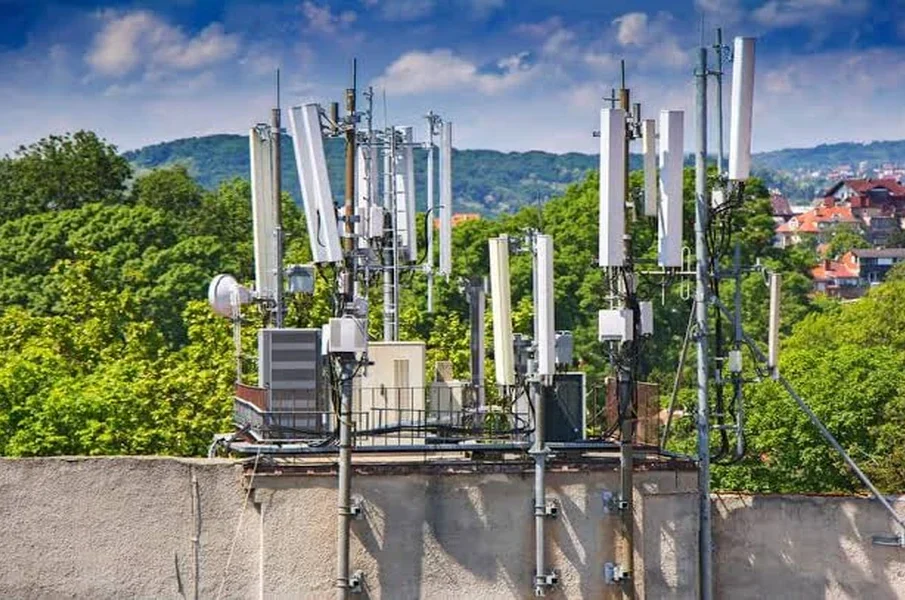
Key Points:
- Campus-wide DAS planning helps reduce separate fixes across multiple buildings.
- Signal surveys reveal where coverage gaps actually occur across the property.
- Shared infrastructure can simplify future expansion .
- Antenna placement should follow user movement, not equal spacing alone.
- Capacity planning matters when device traffic increases during busy periods.
- Future growth should influence pathways, equipment space, and expansion points.
- Real-workday testing can reveal issues that quiet conditions may hide.
- Clear baseline records make future troubleshooting and campus upgrades easier.
- Coordinated planning helps coverage grow without rebuilding working infrastructure.
Business campuses in Austin rarely stay the same for long. A company may add another building, open a new parking structure, move teams between floors, or bring more mobile devices into daily use. As the campus grows, cellular coverage that once seemed acceptable can become uneven. One wing may work well while another develops dead spots, dropped calls, or slow mobile data. Those problems are frustrating, but they are also a planning signal.
For growing properties, the bigger question is whether coverage can expand without creating a patchwork of separate fixes. That is where a coordinated indoor wireless strategy starts to matter. Teams need to look at outdoor signal conditions, building materials, user movement, cable routes, equipment space, and future construction together. A good design should solve today’s weak areas while leaving enough flexibility for the next building phase, tenant change, or increase in device traffic.
DAS Planning Should Follow Campus Growth
A DAS distributed antenna system can help when a business campus has several buildings or large interior areas with uneven cellular service. Instead of treating every weak zone as a separate problem, the design can look at the property as one connected environment. That matters when employees move between offices, garages, shared facilities, and outdoor transition areas throughout the day. Coverage planning becomes more useful when it follows real movement rather than individual room complaints.
Expansion plans should be part of that conversation from the start. A campus may be adding another office wing next year, yet the current project still needs to work now. Preparing pathways, equipment space, and logical expansion points can make that later phase much easier. It is not about installing more hardware than the property needs today. It is about avoiding a design that becomes awkward the moment the business adds square footage.
Coverage Gaps Need Real Signal Data
Before any major design decision is made, the team should understand where signal quality actually changes across the campus. One building may have strong outdoor service but poor interior coverage because of concrete or coated glass. Another may struggle mainly in lower levels or enclosed corridors. Site measurements help separate those issues. They also show whether the problem is limited to one carrier, one structure, or several areas that should be addressed together.
A Distributed antenna system service should use those readings to shape the design rather than relying on broad assumptions. Floor plans are helpful, but they do not show how radio signals behave once they meet steel, elevators, long hallways, or mechanical spaces. A survey can reveal that the obvious antenna location is not the useful one. That kind of finding may seem small, yet it can change cable routes, equipment placement, and overall project cost.
Shared Infrastructure Can Reduce Patchwork Fixes
Growing campuses sometimes collect small coverage solutions over time. One building gets a local fix, another receives separate equipment, and a third develops its own workaround later. The result can become difficult to manage. A more coordinated plan looks at backbone routes, equipment rooms, power, and service access together. That gives the property team a clearer picture of what can be shared, what needs separation, and where future upgrades are likely to happen.
This is also where practical infrastructure planning pays off. Spare pathway space, organized racks, clear labels, and reachable connection points may not seem exciting, but they make future changes far easier. Suppose a new building opens eighteen months after the first phase. If pathways and equipment space were considered earlier, the expansion can stay focused. Without that preparation, the team may end up reopening ceilings or rerouting cable through already crowded areas.
Antenna Design Should Match User Movement
A second DAS distributed antenna system consideration is how people move between buildings and high-use zones. Coverage should not be judged only while someone stands in a conference room. Employees may stay on calls while walking through corridors, lobbies, stairwells, garages, or shared outdoor connectors. If signal levels change too sharply between those areas, the user experience becomes inconsistent even though individual rooms appear well covered during a stationary test.
Antenna placement therefore needs judgment, not just equal spacing. Walls, ceiling height, metal structures, and nearby coverage zones all affect the result overall. Sometimes shifting an antenna a short distance improves a transition area more than adding another unit. There is a tradeoff, of course. More design time is needed upfront, but careful placement can reduce overlap, weak spots, and the need for repeated adjustments after the campus becomes busier.
Antenna Capacity Planning Matters as Campuses Get Busier
Coverage strength is only part of the picture. A campus may show good signal bars and still struggle when hundreds of devices become active at once. Shift changes, large meetings, visitor traffic, and shared amenity areas can create sudden demand. Planning should consider how many people use each zone, what mobile tasks they perform, and when traffic peaks. That gives the design team a more realistic view of what the network must handle.
A Distributed antenna system service should also consider likely growth rather than today’s device count alone. An office floor with 80 employees may become a 130-person team after a lease change. A shared event area may begin hosting larger gatherings. Preparing for those likely changes can prevent a later capacity problem from turning into another construction project. The sensible goal is not maximum capacity everywhere, but enough flexibility where growth is actually expected.
Testing Should Cover the Whole Campus Experience
Testing needs to reflect how the property operates on a normal workday. Technicians should check calls, mobile data, signal quality, and transitions between major buildings and shared areas. Quiet testing still has value, but it can miss problems that only appear when the campus is full. A garage entrance at 7 p.m. may look fine, while the same area during morning arrivals behaves very differently once dozens of devices are moving through it.
The results should be documented in a way that future teams can actually use. Floor plans, antenna locations, equipment details, and baseline readings help technicians see what changed after a renovation or expansion. That becomes especially useful on campuses that grow in phases. Instead of treating every new complaint as a mystery, they can compare fresh readings with earlier data and focus on the area where conditions, traffic, or construction actually changed.
Conclusion
Expanding business campuses need a coverage plan that can grow with the property. The strongest approach combines signal surveys, shared infrastructure, careful antenna placement, capacity planning, and realistic testing. None of those pieces works well in isolation. When they are coordinated from the beginning, teams can reduce patchwork fixes and create a clearer path for future buildings, heavier device traffic, and layout changes without constantly rebuilding what already works today.
CMC Communications supports Austin commercial properties with DAS design, engineering, installation, testing, and related infrastructure services. Their team can review signal conditions, campus layouts, equipment spaces, pathways, and likely growth before recommending a practical approach. That broader planning can help expanding businesses improve indoor cellular coverage without losing sight of future phases. It also leaves property teams with a system that is easier to document, maintain, test, and extend as the campus continues to change.
Frequently Asked Questions
Question: When should a growing business campus consider a distributed antenna approach?
Answer: It is worth considering when several buildings, floors, garages, or shared areas have uneven cellular coverage that separate fixes no longer manage well. A site survey can show whether the gaps are connected and whether a coordinated design would be more practical.
Question: Can one system support several buildings on the same campus?
Answer: It can, depending on the site layout, signal sources, pathways, equipment locations, and coverage goals. The design needs to consider how buildings connect and whether shared infrastructure can support each area without creating unnecessary complexity.
Question: Why does capacity matter if signal strength already looks good?
Answer: Strong signal does not guarantee good performance during busy periods. Hundreds of active devices can still create slow data or unstable calls. Capacity planning looks at user numbers, traffic patterns, and peak demand so the system is not designed around quiet conditions.
Question: How can a campus prepare for future building expansion?
Answer: Teams can leave practical pathway space, organized equipment areas, clear records, and logical expansion points. Those choices make it easier to extend coverage later without reopening finished spaces or replacing infrastructure that is still working properly.
Question: When should cellular coverage be retested across a business campus?
Answer: Retesting is useful after new construction, major renovations, tenant changes, equipment moves, or repeated complaints. Comparing new readings with the original baseline helps technicians see what changed and focus work on the affected building or zone.
| CONTENT CHECKLIST | |
| Total Word Count | 1570 |
| Grammarly Premium Score | 96 |
| Readability Score | 44 |
| Plagiarism | 100% |
| Primary Keyword Usage | 2 times |
| Secondary Keywords Usage | 2 Times |
| Highest Word Density | 1.5 |
| Brand Name Integration | 1 Time |
| Ai Detection Score | 14 |
| Maximum Paragraph Length | 6 Lines |
| FAQs | 5 |


