
The Modern Security Architecture: Combining Access Control, Intrusion, and Perimeter Protection
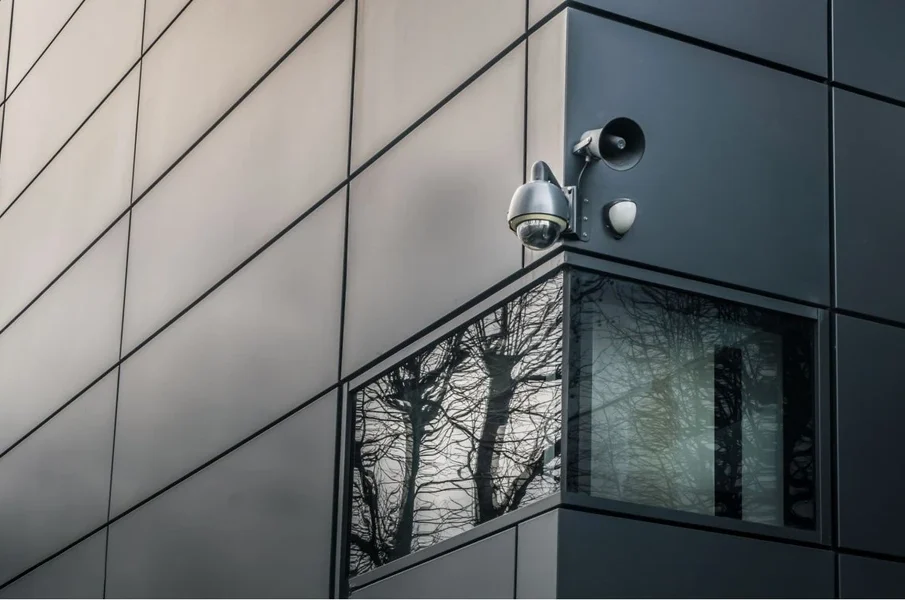
To keep a place and the people in it safe, you need more than just locks or a few cameras today. Threats, both from outside and online, can happen very fast now. If your security tools do not work together, there can be open spots. This makes it easy for someone to get in when they should not. A lot of companies and places now use a setup where everything works as one. The system joins ways to let people in, sensors along the edge, and alarms together. The team in charge of safety can now look at all doors and entries without missing anything.
With this setup, if there is something strange at the edge, things inside are taken care of right away. You do not have to wait for people to share what happens using different devices or apps that do not talk to each other. A unified enterprise security solutions lets you see events as they happen. You can also manage who is allowed in and get help quickly when there is trouble.
The 3 Essential Layers of Modern Site Defense
| Security Layer | Core Technologies | Primary Role |
|---|---|---|
| 1. Perimeter Defense | Smart sensor fencing, radar, thermal cameras | Catches and deters threats before they get into the building. |
| 2. Intrusion Detection | Dual-tech motion sensors, glass-break detectors | Triggers immediate local alerts when interior barriers are breached. |
| 3. Access Control | Mobile credentials, biometric readers, smart locks | Manages and logs who enters specific doors based on user permissions. |
1. Perimeter Protection: Stopping Threats at the Boundary
Good security starts at the edge of the property. Many setups now use smart sensor fences, radar, and heat cameras with automated video tools. These tools help spot people when they try to cut the fence, climb, or hang out near the area for too long in real time. When the system sends an alert at the fence, guards get a warning early. They find out before anyone can get close to a door or window.
2. Intrusion Detection: Quick Internal Response
If someone gets by the outside fence, the next thing that helps with safety is a system that looks for a break-in. There are two kinds of motion sensors, which detect if the ground shakes, and glass sensors. All these send what they read right away to one main spot. A smart break-in setup will do more than just make a noise. It also locks the closest doors and turns the cameras in the building to where the alarm started.
3. Modern Access Control: Identity-Based Entry
Using access helps with movement inside the building. It makes sure that only staff who are allowed and visitors who are checked can get in important areas. Now, many places do not use plastic keycards, as those can be lost. It is better to use mobile pass codes and fingerprint scanners that work with HR software. When someone changes jobs or stops working at the company, the doorway codes are changed right away.
4. Central Management: Putting It All Together
What makes this system really great is the fact that it can be controlled from just one dashboard. If any sensors in the area detect anything that could pose a threat to security, then this system will turn on all the outdoor lighting, begin recording the event, and even lock all the doors from the inside.
Summary
The protection of a facility cannot be based only on the use of isolated means of securing. When these methods are combined, for example, monitoring the exterior of the facility, installing alarm systems on its interior, and controlling people entering and leaving through doors, then your security officers will have full information about everything happening on the premises all the time. Selection of proper enterprise security solutions will ensure the safety of the facility, compliance with regulations, and handling of any possible problem.


